Uranote Holidays
India · Himachal Pradesh

Kaza

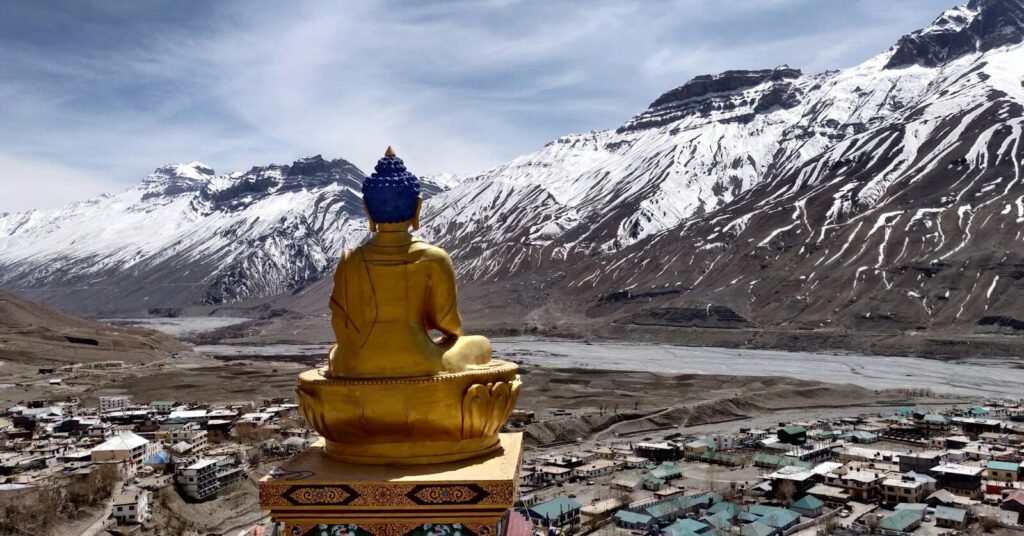
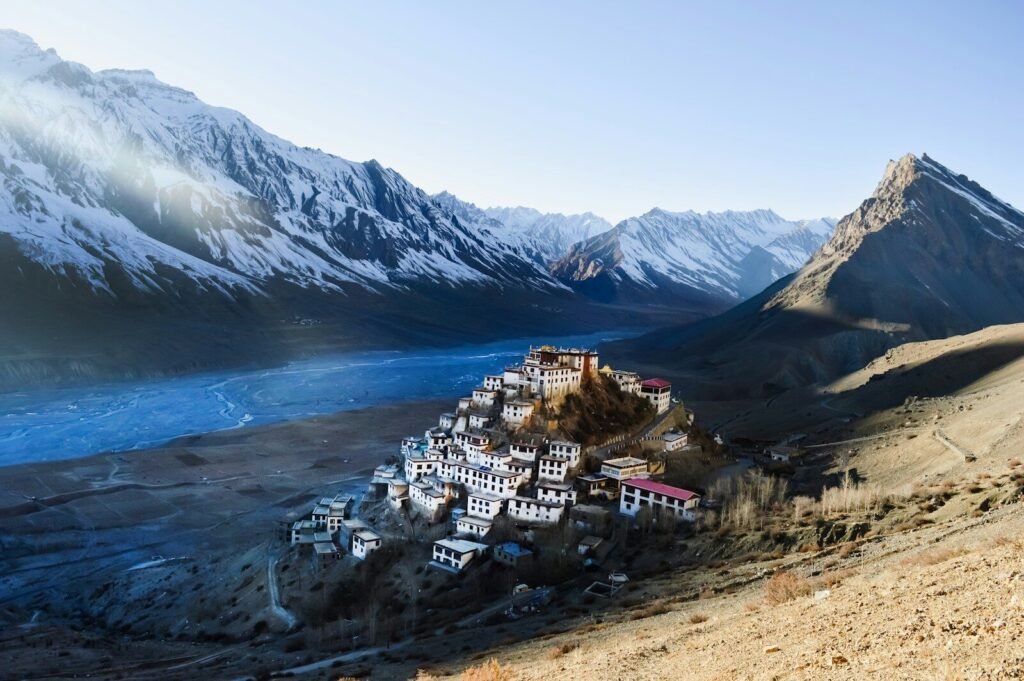
Discover Kaza, the main town of Spiti Valley in Himachal Pradesh, surrounded by dramatic Himalayan mountains, barren landscapes, ancient monasteries and traditional villages. From exploring Key Monastery and nearby high-altitude settlements to experiencing Spitian culture and mountain scenery, Kaza offers a distinctive journey into the remote Himalayan region.

  • StateHimachal Pradesh
  • Best timeMarch, April, May, June…
  • Ideal stay3–5 days
At a glance

Destination Snapshot

  • StateHimachal Pradesh
  • RegionSpiti Valley
  • CountryIndia
  • Destination TypeMountain
  • Ideal Duration3–5 days
  • LanguageSpitian Bhoti, Hindi, English, Tibetan
  • CurrencyINR
  • Time ZoneKolkata UTC +05:30

Overview

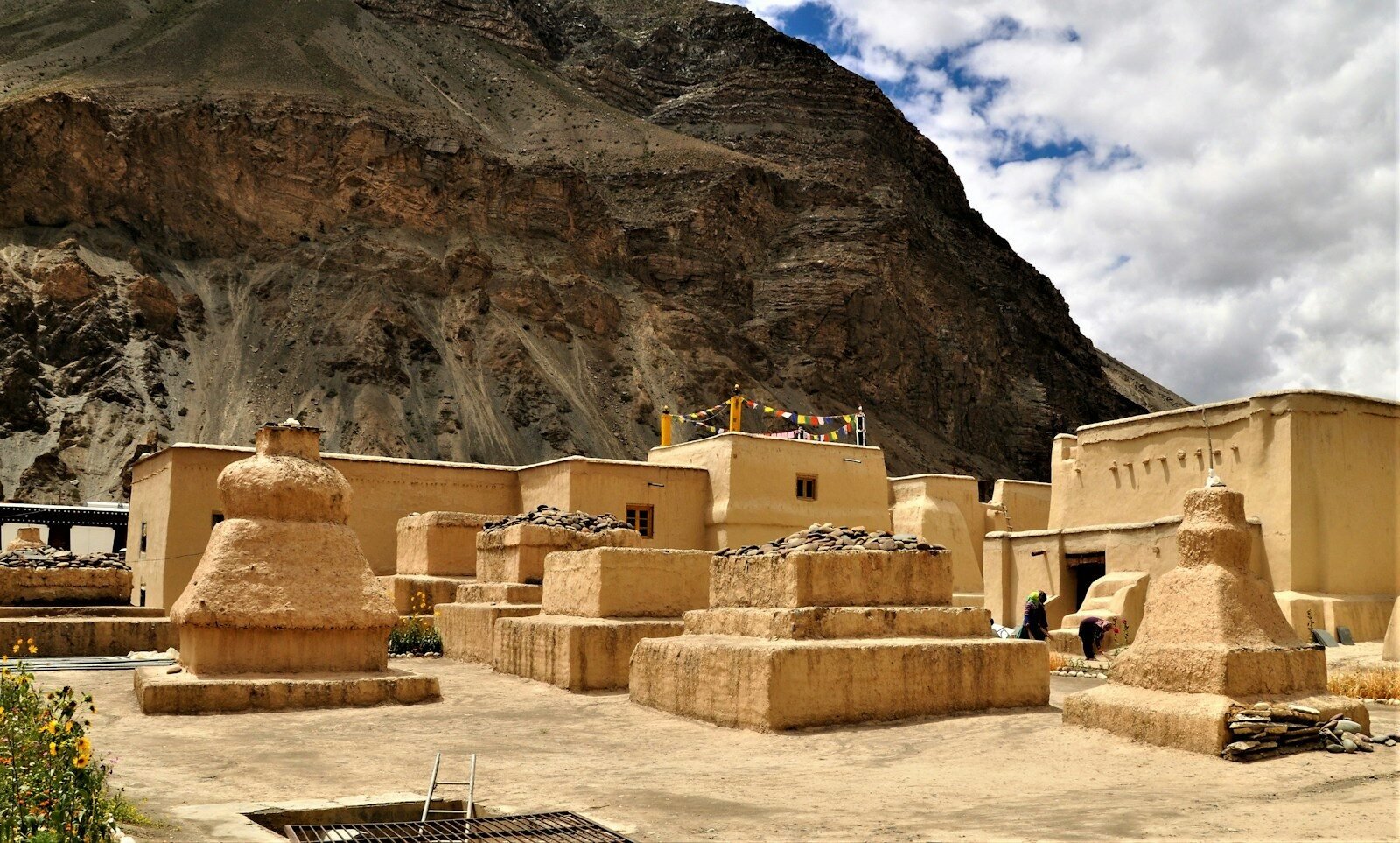
Kaza is the principal town and administrative centre of Spiti Valley, a high-altitude cold-desert region in Himachal Pradesh. Set beside the Spiti River and surrounded by rugged mountains, the town serves as a convenient base for exploring the valley's monasteries, traditional villages, remote landscapes and distinctive Himalayan culture. Unlike the forested landscapes of many other Himalayan destinations, Spiti is known for its stark mountains, deep valleys, open plateaus and sparse vegetation. Its high altitude and dry climate give the region a character that feels very different from the greener hill stations of Himachal Pradesh. Kaza provides access to several of Spiti's best-known attractions. Key Monastery, dramatically positioned above the valley, is one of the region's most recognised Buddhist landmarks. Nearby Kibber is known for its high-altitude setting and mountain scenery, while Langza, Hikkim and Komic offer opportunities to experience traditional village life and expansive Himalayan views. The region is also known for its Buddhist heritage, local homestays, ancient monasteries and clear night skies. The town itself offers basic visitor facilities, local cafés, small shops, accommodation and services for travellers preparing to explore the surrounding valley. Because distances are significant and roads can be challenging, sightseeing is usually best planned around clusters of villages and attractions rather than rushed into a single day. Kaza is suitable for travellers interested in mountain landscapes, photography, cultural experiences, village visits and offbeat Himalayan journeys. It can be explored as a destination in its own right or included in a longer Spiti Valley itinerary connecting places such as Tabo, Dhankar, Pin Valley, Kibber, Langza, Hikkim and Komic.
Getting around

Getting Around

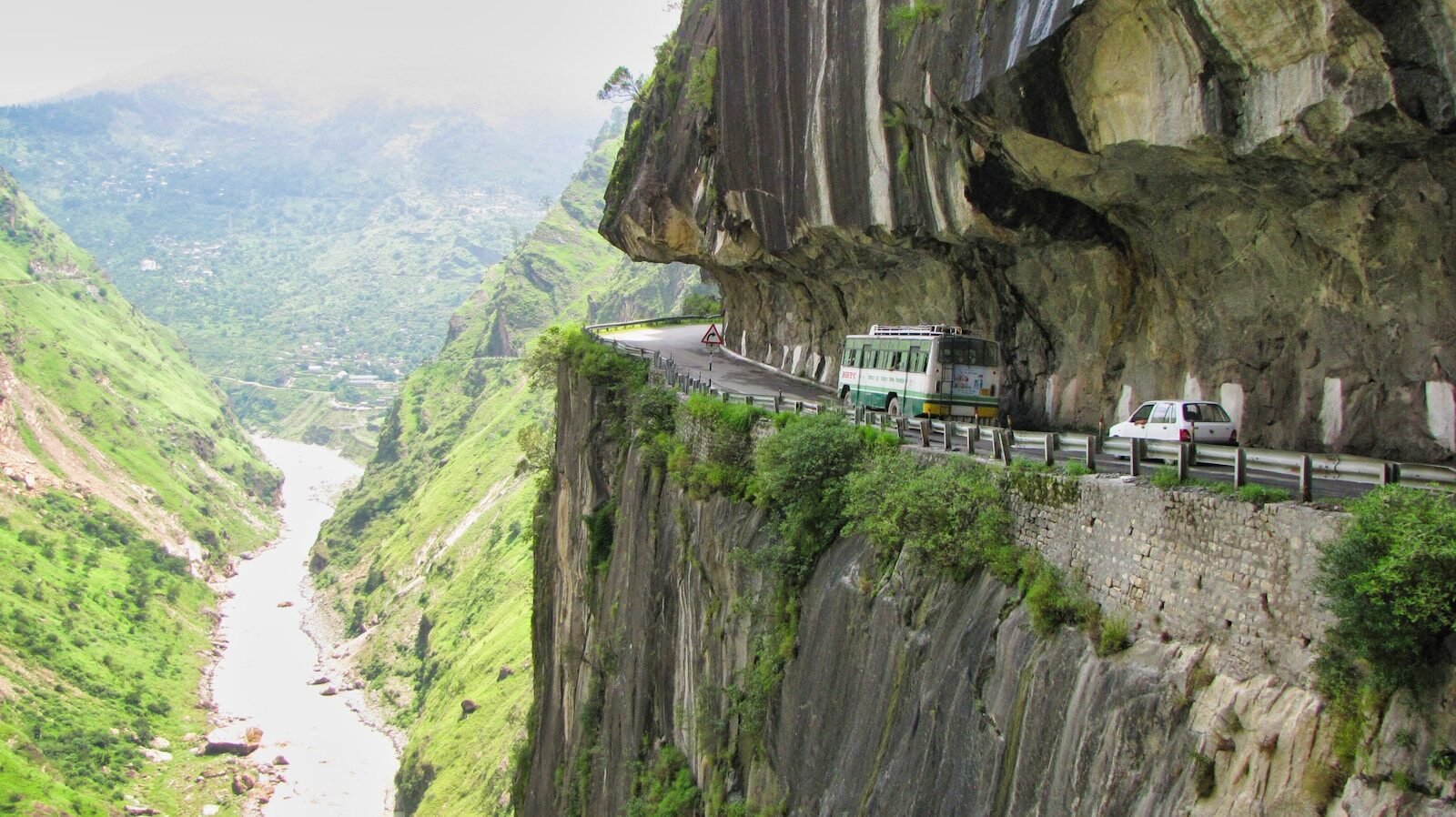
Kaza is the main transport and service hub for central Spiti Valley. Most surrounding villages and attractions are reached by road, with travel times influenced by road conditions, altitude and the terrain.

Private taxi: The most practical option for exploring Kaza and nearby villages. A private vehicle allows flexible stops for photography and sightseeing, while an experienced local driver can help navigate narrow mountain roads and changing conditions.

Walking: Kaza's market, local shops, cafés and nearby streets can be explored on foot. Walking at this altitude can feel more strenuous than at lower elevations, particularly soon after arrival.

Motorcycles: Some travellers explore Spiti by motorcycle, but the high altitude, rough roads, limited services and unpredictable weather require suitable experience and preparation.

Local transport: Shared vehicles and limited public transport may be available on some routes, particularly during the main travel season. Frequency and availability should not be assumed.

Getting to nearby attractions: Key Monastery, Kibber, Langza, Hikkim and Komic are commonly visited from Kaza. Tabo, Dhankar and Pin Valley require additional travel time and are generally better planned as separate route segments.

For a multi-day Spiti itinerary, plan sightseeing by geographical area rather than treating every attraction as a quick day trip. Allow extra time for road delays, rest stops and acclimatisation.


Climate & weather

Climate

Kaza has a high-altitude cold-desert climate, with cool summers, cold nights, very harsh winters and temperatures that can fall below −20°C.

Things to do

Experiences

When to go

Best Time to Visit

Best Months

6 months
  • Jan
  • Feb
  • Marbest time to visit
  • Aprbest time to visit
  • Maybest time to visit
  • Junbest time to visit
  • Jul
  • Aug
  • Sep
  • Octbest time to visit
  • Novbest time to visit
  • Dec

Highlighted months are the best time to visit

April to May

Spring

The valley begins transitioning out of winter, but snow and road conditions can still restrict access to some places. The Manali–Kaza route may remain closed, and conditions can change quickly.

June to July

Summer

This is a popular period for exploring Spiti. Many roads and village routes become more accessible as snow clears, although opening dates vary each year. Days can be sunny while nights remain cold.

July to September

Monsoon

Spiti receives less rainfall than many other parts of Himachal Pradesh, but surrounding mountain roads can still be affected by landslides, rockfalls and road closures. Check conditions before every major transfer.

September to October

Autumn

Clear skies and crisp air can make this a rewarding period for landscapes and photography. Nights become colder, and the Manali route may close as snowfall increases.

November to March

Winter

Kaza experiences severe cold, snow and limited services. The Manali–Kaza route over Kunzum Pass is generally closed, and travel via Kinnaur may also be disrupted by snow or road closures. Winter visits require flexible plans and appropriate preparation.

Getting there

How to Reach

By road

Via Shimla & Kinnaur

Travel from Shimla through Narkanda, Rampur, Reckong Peo, Nako and Tabo before reaching Kaza. This is the longer approach, usually planned over multiple days. Its gradual ascent can help with acclimatisation, although road conditions and closures still need to be checked.

By road

Via Manali

Travel from Manali through the Lahaul region and over Kunzum Pass to Kaza. This route is generally seasonal and depends on snow clearance and road conditions. It is typically unavailable during winter.

By air

Kaza has no commercial airport. Travellers may fly to an airport serving the wider region, such as Shimla or Bhuntar, and continue by road. Flight schedules, onward distance and road conditions should be checked before choosing this option.

By rail

There is no railway station in Kaza. Travellers can use a suitable railhead such as Shimla, Chandigarh or Kalka and continue by road, usually with an overnight stop depending on the chosen route.

Good to know

Travel Tips

FAQs

Frequently Asked Questions

How many days are enough to visit Kaza?
Three days can cover Kaza, Key Monastery and selected nearby villages. Four to five days allow more time for village visits, landscapes, local culture and rest. A wider Spiti circuit requires additional days.
What is the best time to visit Kaza?
June to September is generally a practical period for exploring the valley, though road openings vary. September and October can offer clear conditions, but nights become colder and some routes may close earlier than expected.
What are the main places to visit around Kaza?
Popular places include Key Monastery, Kibber, Langza, Hikkim, Komic, Tabo, Dhankar and Pin Valley. The most suitable combination depends on the number of days available and road conditions.
Is Kaza suitable for a family trip?
It can suit families who are comfortable with long mountain journeys and high-altitude conditions. Consider the ages and health of all travellers, allow acclimatisation time and avoid an overly packed itinerary.
Can I visit Kaza in winter?
Winter travel is possible in some conditions, usually via the Shimla–Kinnaur side, but road access and local services can be disrupted by snow and extreme cold. The Manali–Kaza route over Kunzum Pass is generally closed in winter. Winter travel requires flexible arrangements and current local information.
Is Kaza a good base for exploring Spiti Valley?
Yes. Kaza is the main town and a useful base for exploring Key Monastery and nearby villages. For more distant locations such as Tabo, Dhankar and Pin Valley, plan adequate travel time and consider overnight stays where appropriate.
Is mobile network connectivity reliable in Kaza?
Connectivity can be limited and inconsistent across Spiti, especially outside the main settlements. Download offline maps, share your itinerary with someone and avoid relying entirely on mobile data.
What should I pack for Kaza?
Pack warm layers, a windproof jacket, comfortable walking shoes, sun protection, personal medication and essential travel supplies. In colder months, bring appropriate winter clothing and confirm what services will be available along your route.
Nearby & related

Related Destinations