


Uranote Holidays
India · Himachal Pradesh

Kinnaur

Discover Kinnaur, a captivating Himalayan region known for its towering snow-covered peaks, apple orchards, traditional villages, ancient temples and distinctive blend of Hindu and Buddhist cultures. From the scenic riverside landscapes of Sangla Valley and the mountain views of Chitkul to the historic villages of Kalpa and Nako, Kinnaur offers an unforgettable journey through some of the most beautiful and culturally rich landscapes of the Himalayas.

  • StateHimachal Pradesh
  • Best timeMarch, April, May, June…
  • Ideal stay4–7 days
At a glance

Destination Snapshot

  • StateHimachal Pradesh
  • CountryIndia
  • Destination TypeMountain
  • Ideal Duration4–7 days
  • LanguageKinnauri, Hindi, English, Tibetan
  • CurrencyINR
  • Time ZoneKolkata UTC +05:30

Overview

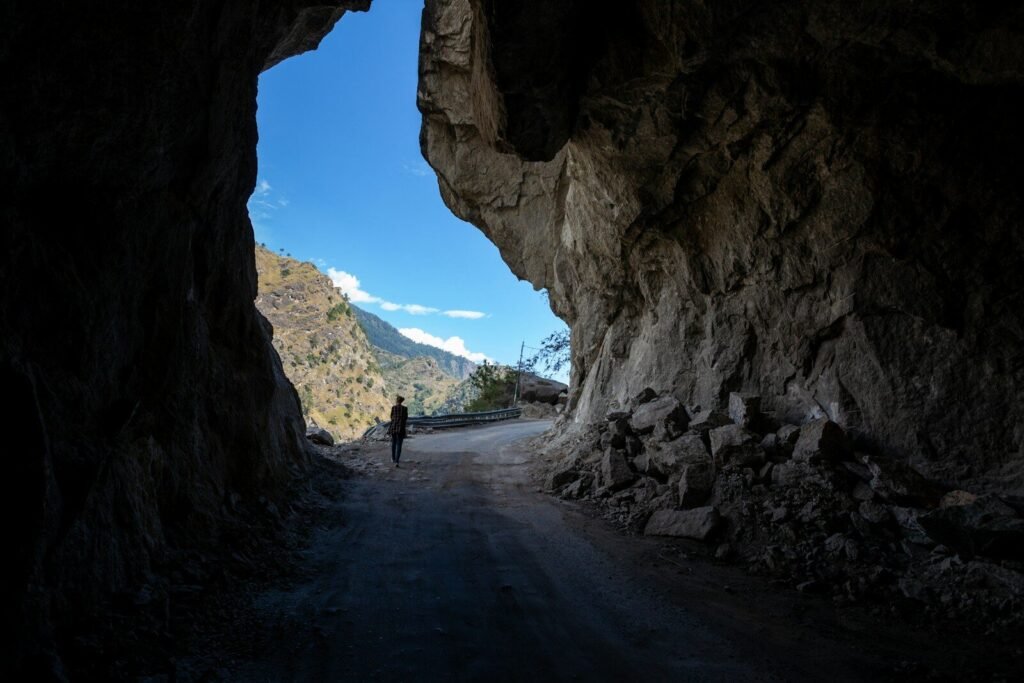
Kinnaur is a mountainous district in Himachal Pradesh, located along the route connecting Shimla with Spiti Valley and the Indo-Tibetan border region. Known for its dramatic terrain, deep river valleys, traditional wooden architecture and orchards, the region offers a distinctive combination of natural beauty and cultural heritage. The Sutlej River flows through much of Kinnaur, while the Baspa River shapes the picturesque Sangla Valley. The region is particularly famous for its apple cultivation, traditional Kinnauri caps, local handicrafts and distinctive customs influenced by both Hindu and Tibetan Buddhist traditions. Kalpa is known for its spectacular views of the Kinner Kailash mountain range. Sangla offers lush valley scenery, orchards and traditional settlements, while Chitkul, near the Indo-Tibetan border, is celebrated for its mountain landscapes and riverside setting. Other notable places include Reckong Peo, Kamru Fort, Nako village and Nako Lake. Kinnaur is well suited to travellers seeking scenic road trips, mountain photography, village experiences, cultural exploration and peaceful stays away from crowded tourist centres. It is also commonly combined with Spiti Valley for a longer Himalayan journey.
Getting around

Getting Around

- Private taxi: The most practical option for visiting Kalpa, Sangla, Chitkul and other dispersed attractions.

- Walking: Suitable for exploring village lanes, local markets and short scenic trails.

- Motorcycles: An option for experienced riders during suitable weather and road conditions.

- Public transport: Buses connect selected settlements, but schedules may limit sightseeing flexibility.

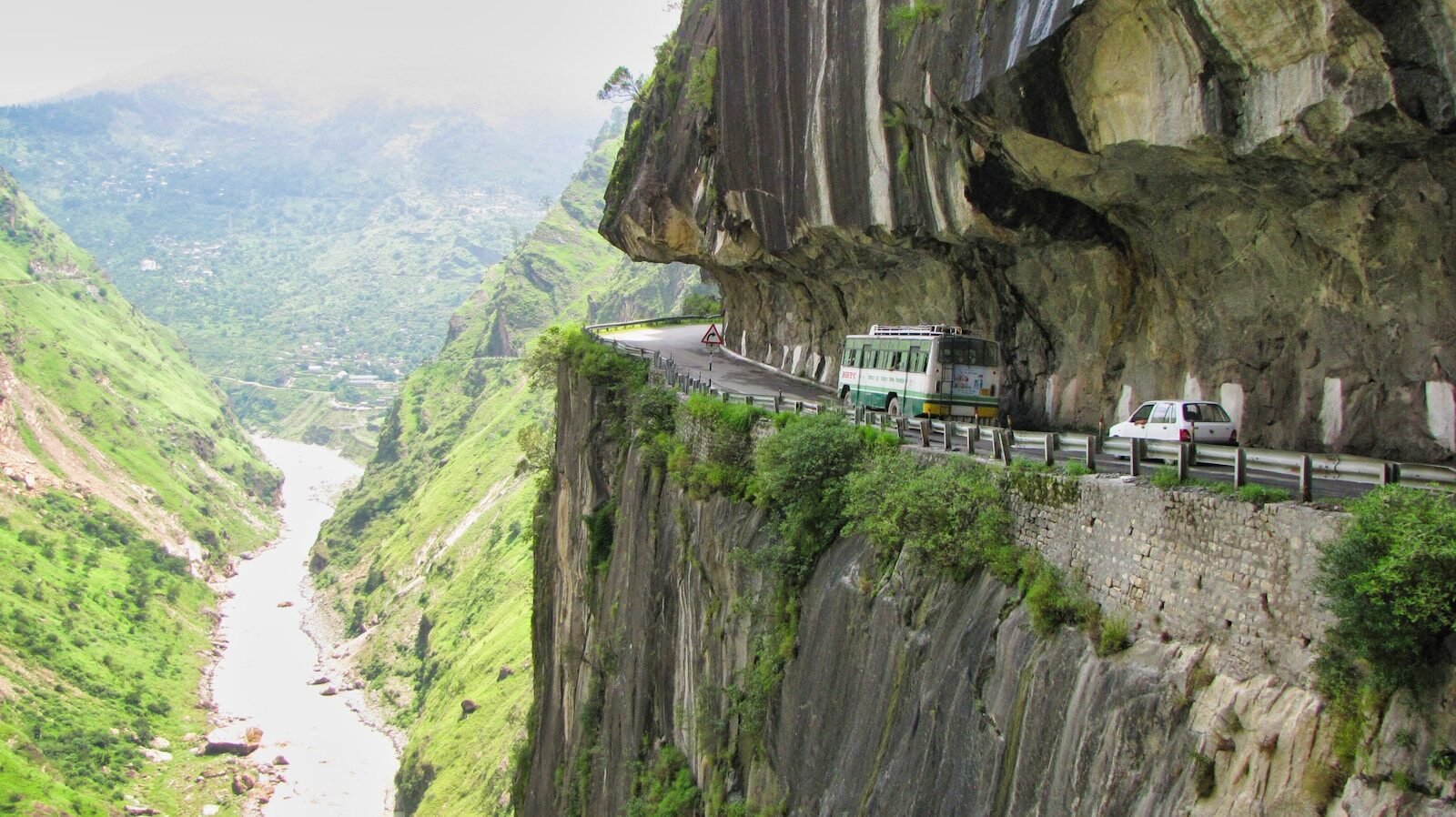
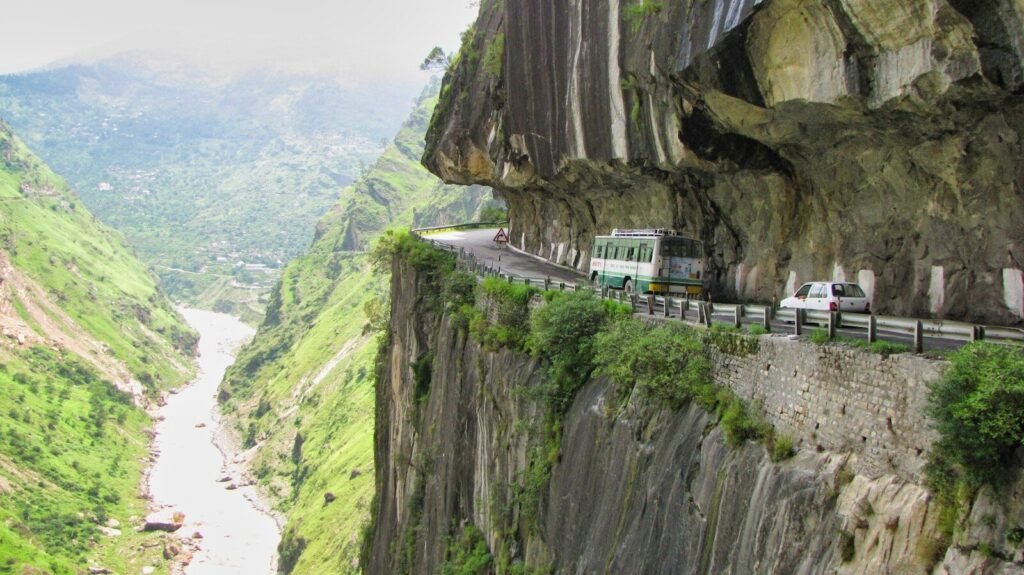
A private vehicle is particularly useful for combining multiple villages and viewpoints. Mountain roads can be narrow, winding and affected by landslides, so realistic daily driving times are important.

Climate & weather

Climate

Kinnaur has a varied mountain climate, with relatively mild summers in some valleys, cold winters, substantial temperature differences by altitude and snowfall in higher areas.

Things to do

Experiences

When to go

Best Time to Visit

Best Months

7 months
  • Jan
  • Feb
  • Marbest time to visit
  • Aprbest time to visit
  • Maybest time to visit
  • Junbest time to visit
  • Jul
  • Aug
  • Sep
  • Octbest time to visit
  • Novbest time to visit
  • Decbest time to visit

Highlighted months are the best time to visit

March–April

Spring

Apple orchards begin emerging from winter, although higher areas can remain cold and some routes may be affected by snow.

May–June

Summer

Pleasant conditions in many settled areas and a popular period for mountain road trips.

July–September

Monsoon

Green landscapes and flowing rivers, but heightened risks of landslides, road closures and travel delays.

October–November

Autumn

Crisp weather, autumn colours and harvest-season scenery, with colder nights.

December–February

Winter

Cold conditions and possible snowfall, particularly in higher villages; access and services can be affected.

Getting there

How to Reach

By road

Via Shimla

The most common approach is from Shimla through Narkanda, Rampur and the Sutlej valley towards Reckong Peo and Kalpa. Sangla and Chitkul are reached through the Baspa Valley.

By air

There is no major commercial airport in Kinnaur. Shimla and Chandigarh may be considered, depending on flight availability, followed by road travel.

By rail

Shimla, Kalka and Chandigarh are useful rail entry points before continuing by road.

Good to know

Travel Tips

FAQs

Frequently Asked Questions

How many days are enough for Kinnaur?
Four to five days can cover selected highlights, while six to seven days allow a more relaxed visit to Kalpa, Sangla, Chitkul and nearby places.
What is Kinnaur famous for?
Kinnaur is known for its Himalayan scenery, apple orchards, Kinner Kailash views, traditional villages, local culture and a blend of Hindu and Buddhist heritage.
What are the main places to visit in Kinnaur?
Kalpa, Sangla, Chitkul, Rakchham, Kamru Fort, Reckong Peo and Bering Nag Temple are among the key attractions. Nako is a popular addition on a longer route towards Spiti.
Is Kinnaur suitable for families?
Yes. Families can enjoy the scenery and village visits, but should consider long drives, winding roads, altitude and the availability of medical facilities.
Can Kinnaur be visited during the monsoon?
Yes, but monsoon travel carries a greater risk of landslides and road disruptions. Check local conditions and keep the itinerary flexible.
Can Kinnaur be combined with Spiti Valley?
Yes. Kinnaur is a common starting region for road journeys into Spiti, often via Nako and Tabo. Allow sufficient time and confirm road accessibility.
Is Chitkul accessible throughout the year?
Access can be affected by snowfall, road conditions and weather, particularly in winter. Check local updates before travelling.
What makes Kalpa and Sangla different?
Kalpa is especially known for its mountain views and traditional village atmosphere, while Sangla is associated with the Baspa River, orchards and the wider Sangla Valley.
Nearby & related

Related Destinations

Plan your journey

Ready to explore Kinnaur?

Browse curated tour products for Kinnaur and find the journey that fits how you want to travel.