Uranote Holidays
India · Himachal Pradesh

Tabo

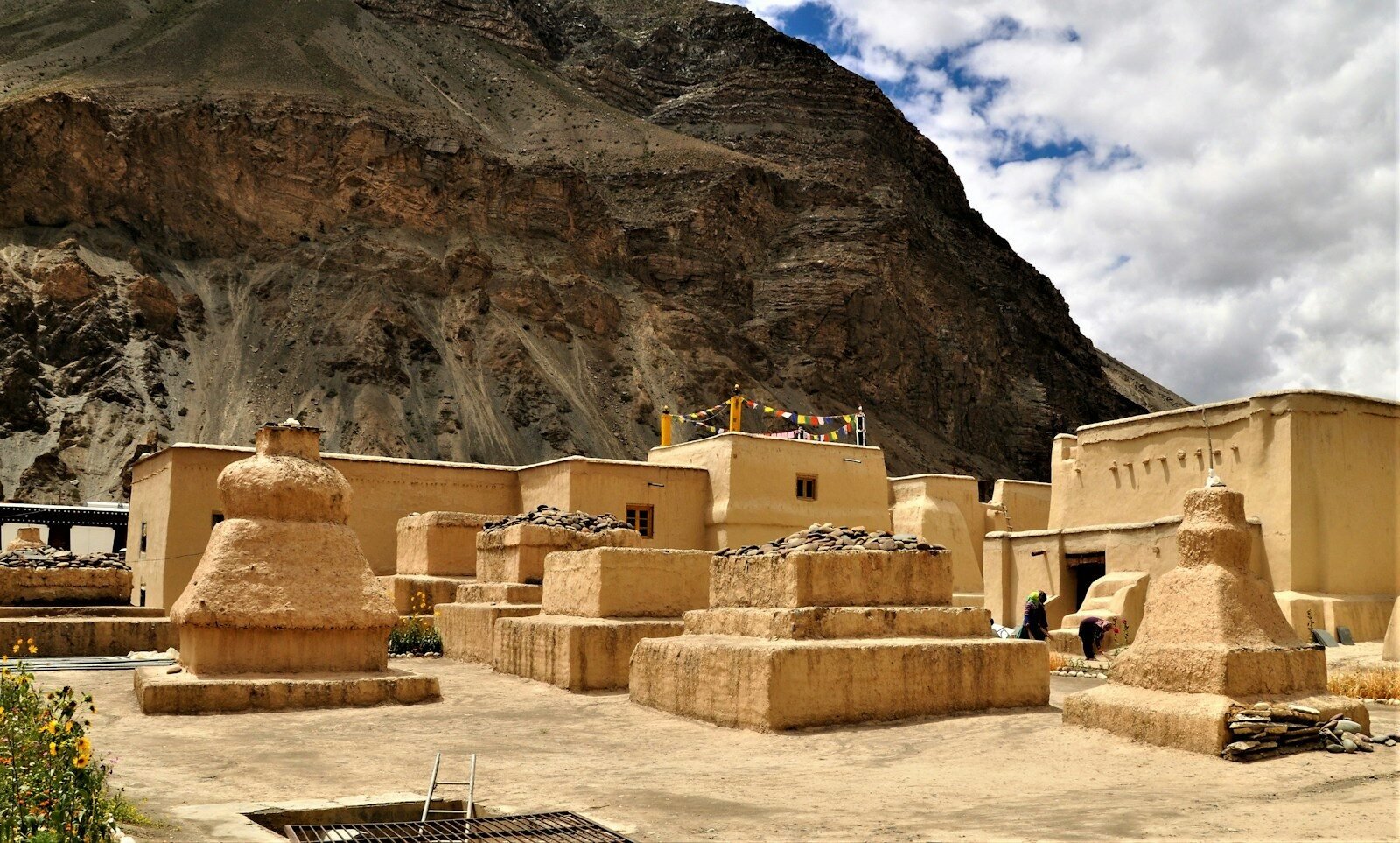
Discover Tabo, a historic village in Spiti Valley known for its ancient Buddhist monastery, centuries-old murals, traditional Himalayan architecture and peaceful mountain surroundings. Often associated with the spiritual heritage of the Himalayas, Tabo offers a glimpse into Tibetan Buddhist culture, remote village life and the timeless landscapes of the cold desert.

  • StateHimachal Pradesh
  • Best timeApril, May, June, September…
  • Ideal stay1–2 days
At a glance

Destination Snapshot

  • StateHimachal Pradesh
  • RegionSpiti Valley
  • CountryIndia
  • Destination TypeMountain
  • Ideal Duration1–2 days
  • LanguageHindi, Spitian Bhoti, Tibetan, English
  • CurrencyINR
  • Time ZoneKolkata UTC +05:30

Overview

Tabo is a historic settlement in the Spiti region of Himachal Pradesh, situated along the Spiti River and surrounded by rugged mountains and barren Himalayan terrain. Its cultural significance centres on Tabo Monastery, founded in 996 CE and renowned for its ancient murals, stucco sculptures and traditional Buddhist artwork. The monastery is an important centre of Tibetan Buddhist heritage and is often called the Ajanta of the Himalayas because of its historic wall paintings and artistic treasures. The village retains a quiet, traditional atmosphere, with mud-brick homes, small fields and a landscape shaped by the region's high-altitude climate. Beyond the monastery, visitors can explore the village, nearby viewpoints and the surrounding Spiti landscape. Tabo is also a useful stop on journeys connecting Kaza, Dhankar, Pin Valley and the wider Spiti circuit. The destination is particularly suited to travellers interested in Buddhist heritage, history, photography, culture and offbeat Himalayan experiences.

Getting around

Getting Around

Private taxi: The most practical option for reaching Tabo and visiting nearby destinations.

Walking: Suitable for exploring the monastery complex and village lanes.

Motorcycles: An option for experienced riders during suitable weather and road conditions.

Local transport: Limited; travellers should not rely on frequent public transport for sightseeing.

Climate & weather

Climate

Tabo has a high-altitude cold-desert climate, with warm sunny days possible in summer, cold nights throughout much of the year and severe winter conditions.

Things to do

Experiences

When to go

Best Time to Visit

Best Months

6 months
  • Jan
  • Feb
  • Mar
  • Aprbest time to visit
  • Maybest time to visit
  • Junbest time to visit
  • Jul
  • Aug
  • Sepbest time to visit
  • Octbest time to visit
  • Novbest time to visit
  • Dec

Highlighted months are the best time to visit

April–May

Spring

A quiet period with warming daytime temperatures, though nights remain cold and road access can be uncertain.

June–July

Summer

Generally favourable for sightseeing, monastery visits and exploring the surrounding villages.

July–September

Monsoon

Spiti receives relatively little rainfall, but roads can still be affected by landslides and heavy rain in adjoining regions.

September–October

Autumn

Clear mountain scenery and cooler weather, with temperatures dropping significantly at night.

November–March

Winter

Severe cold, possible snowfall and difficult travel conditions; access and services may be limited.

Getting there

How to Reach

By road

Via Shimla

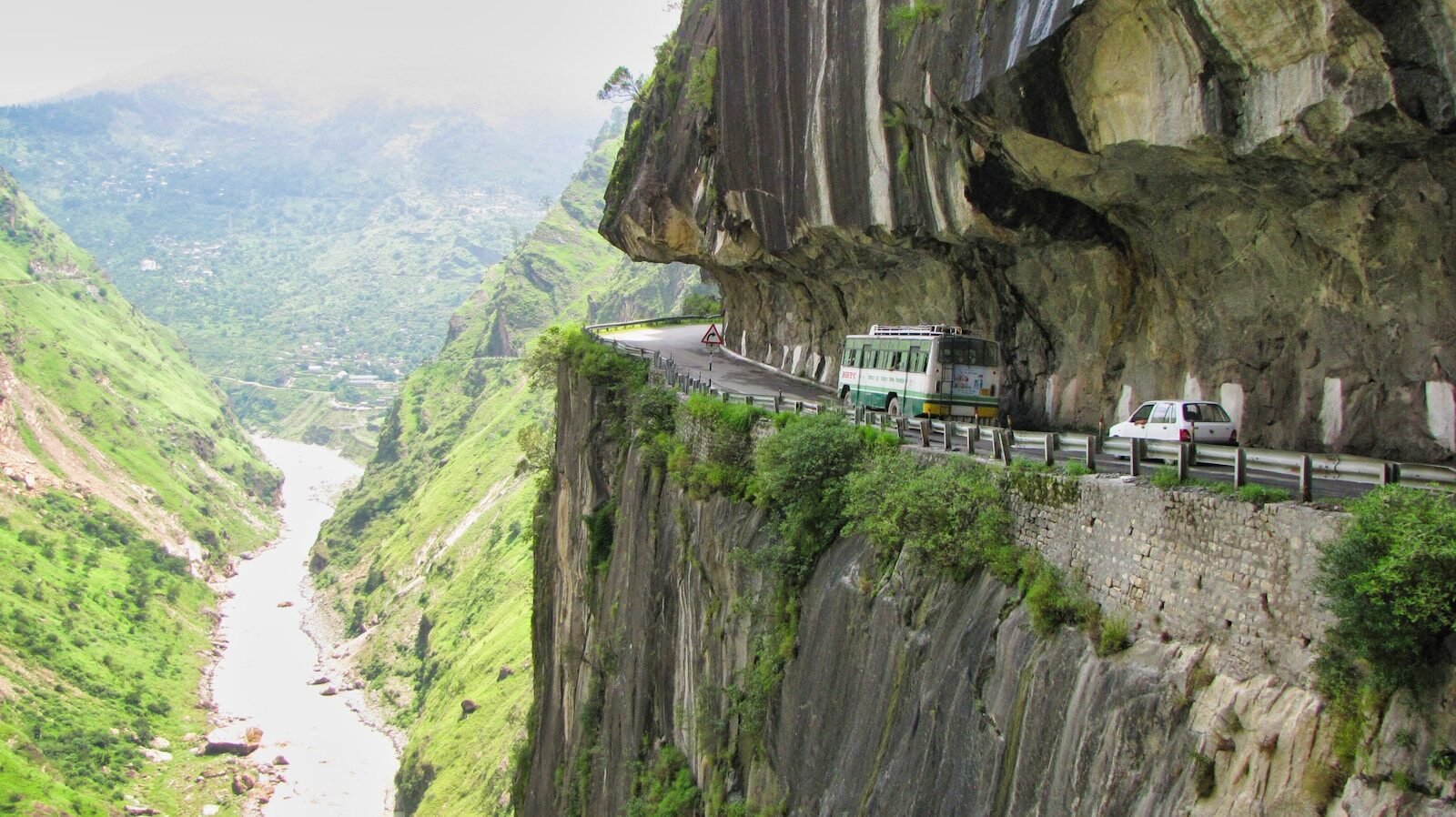
Travel through Narkanda, Rampur, Kinnaur and onward to Tabo. This route is often preferred for a more gradual ascent into the high-altitude region.

By road

Via Manali

Travel through the Atal Tunnel, Lahaul and Kunzum Pass towards Kaza, then continue to Tabo. This route depends on seasonal access over Kunzum Pass.

By air

There is no commercial airport in Tabo. Travellers can consider airports serving Shimla or Kullu, depending on flight availability, then continue by road.

By rail

There is no railway station in Tabo. Chandigarh or Kalka can be used as rail entry points before continuing by road.

Good to know

Travel Tips

FAQs

Frequently Asked Questions

How many days are enough for Tabo?
One day with an overnight stay is enough for the monastery and village. Two days allow a slower visit and time to explore nearby surroundings.
What is Tabo famous for?
Tabo is best known for Tabo Monastery, founded in 996 CE, and its historic Buddhist murals, sculptures and temple complex.
What are the main places to visit in Tabo?
Tabo Monastery, the nearby meditation caves, the traditional village and surrounding Himalayan viewpoints are the main attractions.
Is Tabo suitable for families?
Yes, for families comfortable with long mountain drives, basic high-altitude conditions and limited facilities. Consider the needs of children and older travellers when planning the journey.
Can Tabo be visited in winter?
Winter visits can be difficult because of extreme cold, snow and road disruptions. Check accessibility before making plans.
Can Tabo be combined with Kaza and Dhankar?
Yes. Tabo, Dhankar and Kaza are commonly combined in a Spiti itinerary, with the route and overnight stops planned around driving conditions.
Is mobile network connectivity available in Tabo?
Connectivity can be limited in Spiti. Network coverage varies by location and provider, so do not rely entirely on mobile data.
Is Tabo a good destination for cultural travel?
Yes. Its monastery, traditional settlement and Buddhist heritage make it especially suitable for travellers interested in history, spirituality and Himalayan culture.
Nearby & related

Related Destinations